
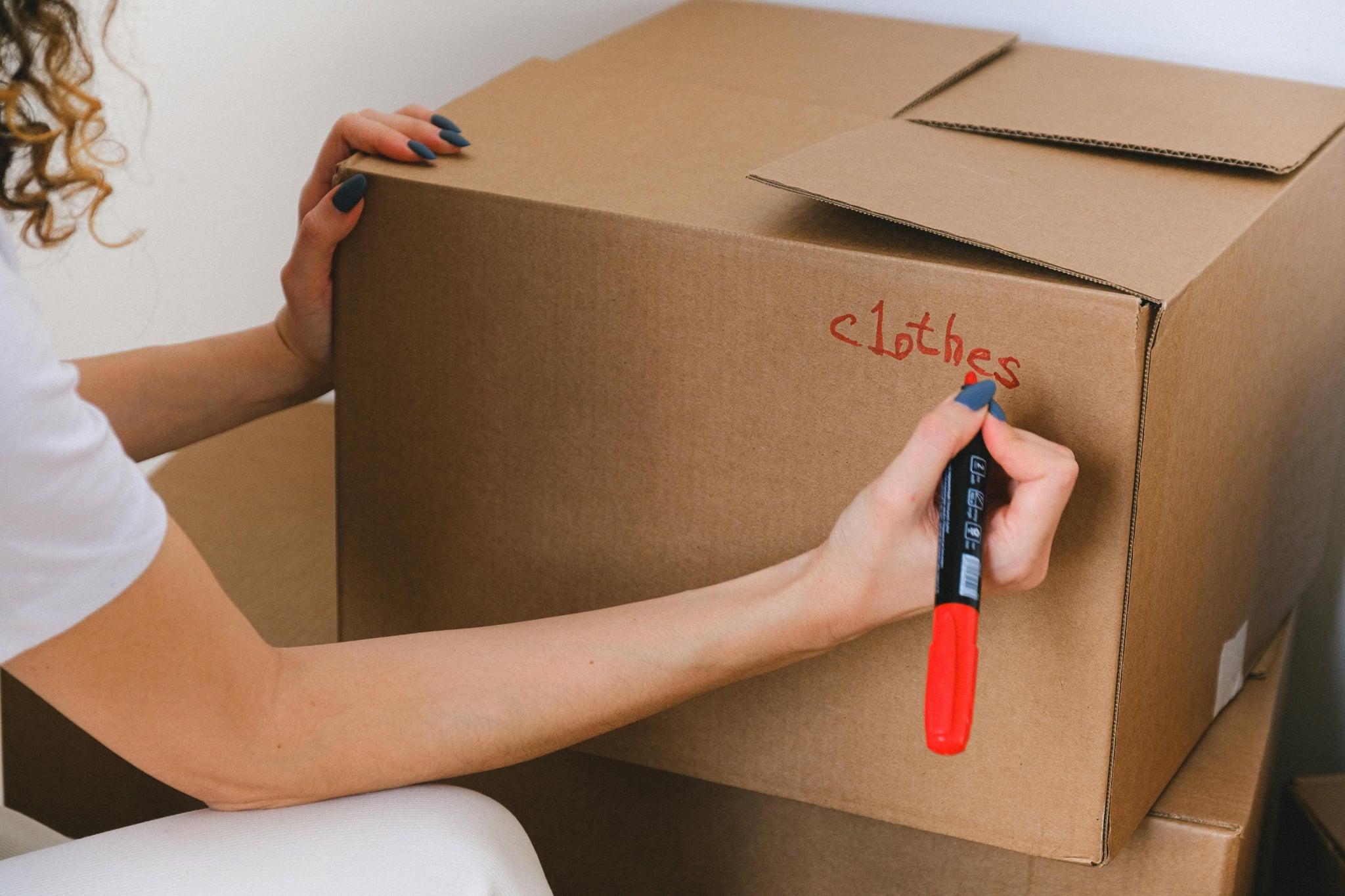
Moving in Seattle can feel like a juggling act. There’s a lot to think about. But one thing that often makes or breaks a move isn’t the heavy furniture or tricky traffic. It’s how well your boxes are organized and labeled. Proper organization can save hours of unpacking frustration, reduce breakage, and make moving day feel almost effortless.
As a professional mover in Seattle, we’ve seen every kind of packing chaos imaginable. The homes where people take the time to sort, label, and color-code boxes are always the ones that have the smoothest moves. The goal isn’t just neatness; it’s efficiency, safety, and peace of mind.
Why Organizing Boxes Matters
Before jumping into the “how,” let’s cover the why. Organizing and labeling boxes before a move:
- Makes loading and unloading faster
- Reduces damage to fragile items
- Helps unpacking happen in a logical, stress-free order
- Lets movers know exactly where everything belongs
Even simple systems can prevent chaos on moving day, especially when navigating tight Seattle streets or coordinating multiple floors.
1. Gather Your Packing Supplies
Nothing slows packing down like running out of boxes mid-move. Here’s what you’ll need:
- Sturdy moving boxes in multiple sizes
- Packing tape and a tape dispenser
- Permanent markers and labels
- Bubble wrap, packing paper, or old newspapers for fragile items
- Color-coded stickers or painters’ tape (optional but highly recommended)
Having everything ready upfront keeps momentum going and reduces last-minute scrambling.
2. Categorize Your Items
Before boxing anything, group items by category. This step makes labeling meaningful:
- Kitchen: utensils, cookware, pantry items
- Bedroom: clothes, shoes, bedding
- Bathroom: toiletries, towels, cleaning supplies
- Office: books, documents, electronics
Not only does this help with labeling, but it also guides movers on which boxes are fragile, heavy, or need careful stacking.
3. Label Boxes Clearly
Labels aren’t just for aesthetics—they’re a communication tool. Each box should have:
- Room name – e.g., “Kitchen” or “Master Bedroom”
- Contents – a short description like “Pots and Pans”
- Fragile items – mark boxes with delicate items clearly
- Priority – consider marking essentials to unpack first
Using large, bold markers ensures labels are readable from across the moving truck.
4. Use Color Coding
Color-coding is a trick that professional movers swear by. Assign a color to each room and mark boxes with:
- A sticker, tape, or marker in that color
- Matching labels on each box for quick visual recognition
This way, even if a label is covered by other boxes, movers can quickly sort by color, reducing confusion on moving day.
5. Pack Strategically
Packing isn’t just about cramming items into boxes, it’s about balance:
- Heavy items go on the bottom
- Lighter or fragile items go on top
- Don’t overfill boxes; keep them manageable for lifting
- Wrap fragile items individually to prevent damage
Remember, movers lift these boxes multiple times, so weight distribution is key.
6. Create an Inventory List
An inventory list is invaluable for large moves or high-value items:
- Number each box and record its contents
- Note which room it belongs in
- Keep a copy for yourself and one for your movers
This step minimizes missing items and makes unpacking systematic.
7. Pack Essentials Separately
Some items need to travel with you or be unpacked first:
- Toiletries and medications
- Important documents
- Chargers and electronics
- A few changes of clothes
Label this box “Open First” so it’s easy to find on arrival.
8. Communicate With Your Movers
Even when boxes are perfectly organized, communication is everything:
- Let movers know which boxes are fragile
- Point out boxes that need priority placement
- Highlight boxes that require stairs or elevators
Clear instructions prevent accidents and make the move more efficient.
9. Keep Unpacking in Mind
Think about where items will go when unpacking:
- Don’t mix kitchen boxes with bedroom boxes
- Keep electronics and breakables grouped
- Unpack essential rooms first, like bedrooms and bathrooms
A little foresight reduces stress and prevents the dreaded pile of random boxes in the living room.
10. Trust the Professionals
Even with the best organization, moves can be physically and logistically challenging. Seattle Movers helps keep the process smooth, handling heavy items and navigating tricky Seattle streets safely. With organized and labeled boxes, movers can work faster and more efficiently, making your day less stressful.
Ready to Make Your Move Effortless?
Packing doesn’t have to feel overwhelming. With the right organization, clear labeling, and a few insider tips, moving can actually go smoothly. Seattle Movers is here to handle the heavy lifting and tricky logistics while your boxes stay organized and protected. Call today and see how simple moving day can really be!
Frequently Asked Questions
1. How early should I start organizing boxes for a move?
It’s never too early to start, honestly. Giving yourself three to four weeks before moving day makes everything feel less stressful and rushed. You can slowly sort through items, decide what to donate, and gather the right packing supplies without panic. Early organization also gives you time to label things thoughtfully rather than scribbling on boxes at the last minute.
2. What’s the best way to label boxes for easy unpacking?
Labels need to be big and readable because you don’t want to squint across the moving truck. Write the room name, a short description of the contents, and note if anything is fragile. You can even use color-coded stickers or tape to make it visually obvious which boxes belong where. Label multiple sides so that no matter how the boxes are stacked, the movers can see where they go.
3. How can I keep fragile items safe in boxes?
4. Should I pack room by room or mix items together?
Packing room by room almost always makes your life easier. When everything for a specific area is together, unloading becomes faster and less confusing. Mixing items from multiple rooms might seem convenient while packing, but it slows you down later and makes unpacking chaotic. Plus, you’ll know exactly which boxes to open first in each room.
5. How do I handle heavy boxes safely?
Heavy boxes can be a real backbreaker if you’re not careful. Use smaller boxes for dense items like books so you can actually lift them safely. Always bend your knees and lift with your legs, not your back, to avoid injury. If a box is too heavy, don’t hesitate to ask a mover for help.
6. What items should go into my “Open First” box?
7. How can I make movers work faster with organized boxes?
8. What’s the advantage of using an inventory list?
An inventory list acts like a safety net during a hectic move. By numbering boxes and recording what’s inside, you can quickly check if anything is missing. It also makes unpacking much less stressful because you know exactly what’s in each box. For valuable or fragile items, it provides proof in case of loss or damage.
9. How do I keep packing supplies organized?
10. Can packing strategy really reduce moving day stress?
Absolutely, it makes a huge difference. When boxes are labeled, organized, and packed thoughtfully, moving day feels manageable instead of overwhelming. You know exactly what goes where and which items need to be unpacked first. Movers can work efficiently without guesswork, which reduces stress for everyone.
Related Posts


Recent Posts
Categories
Get In Touch
521 S Monroe St.
Seattle, WA, 98108
Phone: (206) 284-9445
Email: info@seattlemovers.com
Web: Contact Us